Excavator maintenance - increasing lifespan with spare parts
.png)
Image created by DALL-E (AI tool)
By Patrik Eder · March 31, 2025
Excavator maintenance is a vital practice for ensuring the longevity and optimal performance of heavy machinery. Regular upkeep not only helps to identify potential issues early but also prevents costly breakdowns, ensuring smoother operations. This guide explores key aspects of excavator maintenance, including understanding essential parts, addressing common issues, and creating a preventive maintenance plan.
Excavator Maintenance: Why It Matters
Excavator maintenance encompasses routine tasks designed to keep machinery in working condition, such as inspections and servicing critical components. Proper maintenance reduces the likelihood of unexpected breakdowns, prolongs the machine's lifespan, and enhances safety on job sites.
Regular checks also allow operators to monitor wear and tear on essential parts, enabling timely replacements and avoiding more extensive damage. For example, identifying wear on hydraulic seals or tracks during inspections can prevent severe malfunctions. Following manufacturers’ maintenance schedules ensures the excavator performs efficiently, saving both time and money in the long term.
Understanding the Parts of an Excavator
To effectively maintain an excavator, it's important to understand the various parts that make up the machinery. Key components include the hydraulic system, undercarriage, boom, bucket, and engine. Each of these parts plays a crucial role in the operation of an excavator, and understanding their function can aid in identifying potential maintenance issues. For instance, the hydraulic system is essential for lifting and digging, and any failure in this system can result in significant downtime and costly repairs.
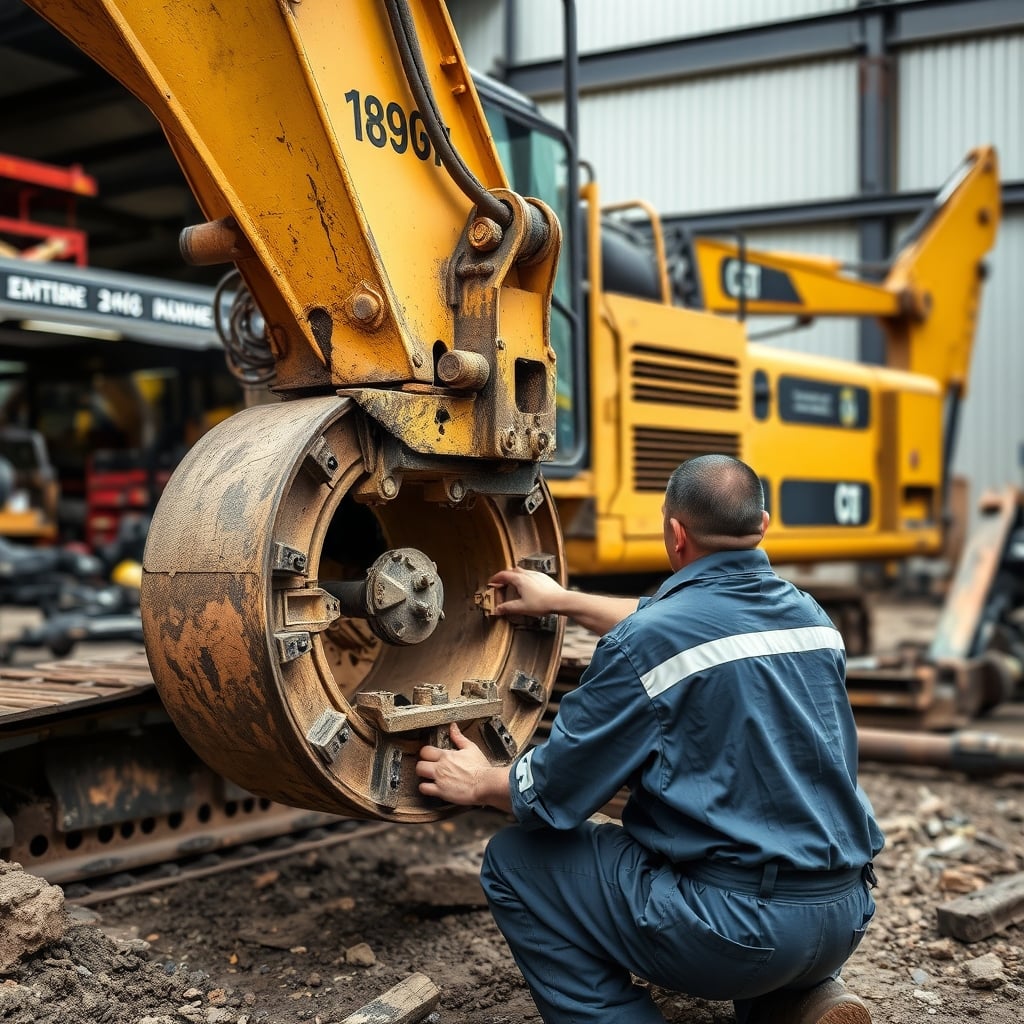
Moreover, regular inspection of wear parts, such as the bucket and tracks, is necessary to ensure optimal performance. Operators should be familiar with the specific parts of an excavator to recognize signs of wear and the need for replacement. The maintenance log should include records of inspections performed on these critical components. By understanding the anatomy of an excavator, operators can better appreciate the importance of each part and stay ahead of potential maintenance challenges that could hinder productivity.
__________________________________________________
Ensure Optimal Performance with the Right Excavator Spare Parts
Connect with trusted suppliers and find parts that match your machine specifications.
👉 Submit your enquiry here
__________________________________________________
Common Maintenance Challenges and Solutions
Common excavator maintenance issues often arise from neglecting routine checks or failing to replace worn parts in a timely manner. One frequent problem is overheating, which can occur if the hydraulic fluid levels are not regularly monitored. This can lead to severe engine damage and costly repairs if not addressed promptly. Other maintenance issues may include unusual noises, leaks in the hydraulic system, or a degraded undercarriage that affects mobility and stability.
Additionally, operators should be alert to signs of wear on the bucket and other attachment parts, as these are commonly used for digging and can wear out faster than other components. The maintenance tasks should include daily checks for any visible damage or irregularities. Keeping a detailed maintenance log can help track these issues over time, ensuring that any problems are addressed before they escalate into major repairs. Understanding these common maintenance issues allows operators to implement proactive measures, thereby enhancing the longevity of their excavators.
Crafting a Preventive Maintenance Plan
Creating a preventive maintenance plan for your excavator is crucial for ensuring its longevity and optimal performance. The first step in this process is to refer to the manufacturer's guidelines, which typically outline the recommended maintenance schedule and specific maintenance tasks necessary for each part of the excavator. This plan should include regular inspection intervals, maintenance activities, and a log for recording any repairs or replacements performed.
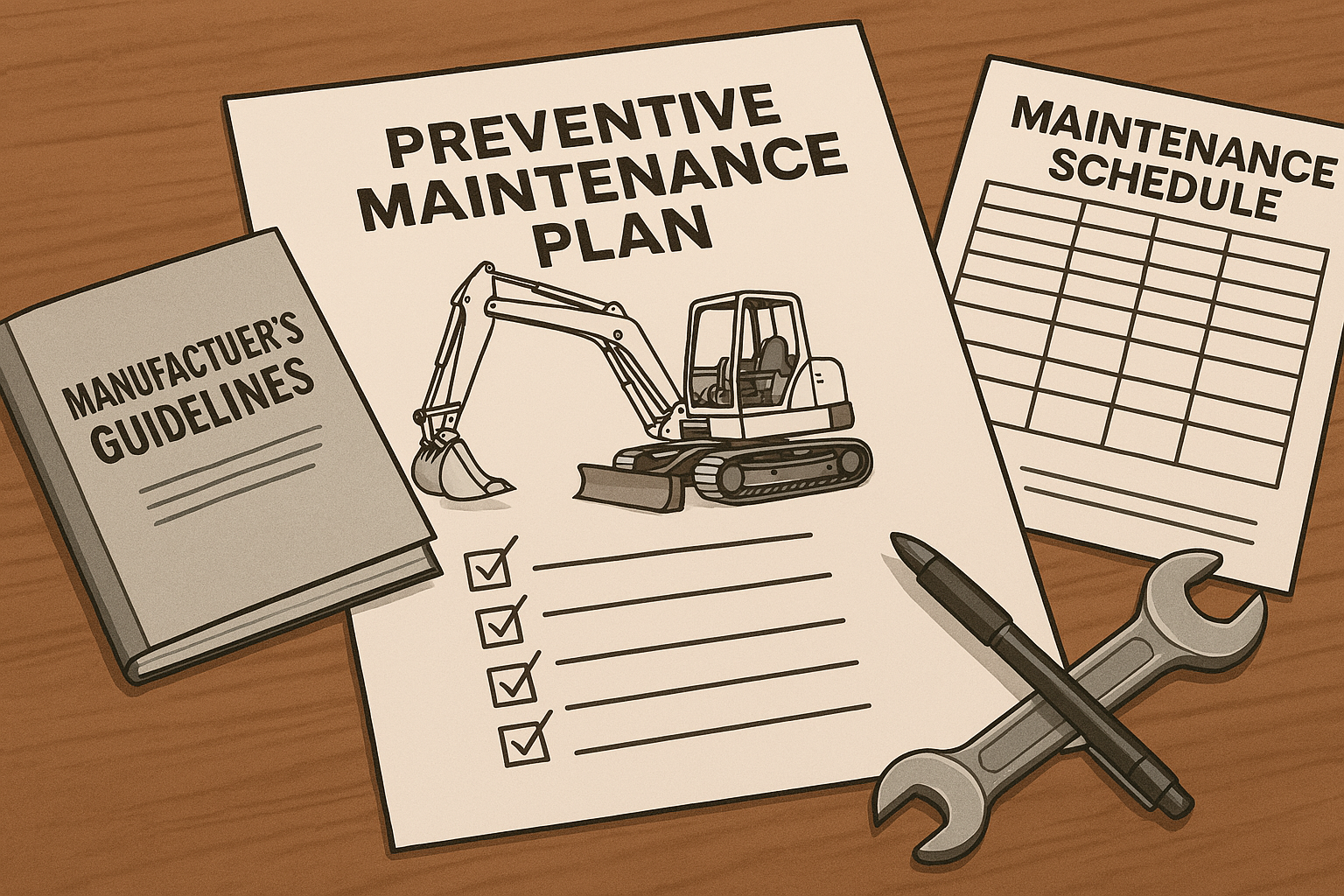
Moreover, it's essential to incorporate daily excavator maintenance checks into your routine. This can include inspecting fluid levels, checking for leaks, and ensuring that all moving parts are adequately lubricated. By adhering to this preventive maintenance plan, operators can identify potential issues early on, allowing for timely replacement of spare parts. Regular maintenance and timely repairs not only reduce the likelihood of unexpected breakdowns but also enhance the overall efficiency of the excavator, thereby maximizing productivity on the job site.
When to Replace Spare Parts
Knowing when to replace excavator spare parts is essential for maintaining the efficiency and longevity of the machinery. Operators should be vigilant in monitoring the performance of their excavators and be aware of any signs of wear. For instance, if the hydraulic system shows any decrease in responsiveness or if there are noticeable leaks, it is crucial to replace the affected parts immediately. Additionally, if there are unusual noises during operation, this may indicate that certain components need replacement.
The manufacturer's recommendations also play a significant role in determining replacement schedules. Many manufacturers provide specific guidelines on the lifespan of various components, helping operators plan their maintenance tasks effectively. Keeping a maintenance log can assist in tracking the condition of parts over time, making it easier to decide when a replacement is necessary. Timely replacement of excavator spare parts can prevent further wear and tear, ensuring that the machinery continues to operate smoothly and efficiently.
Specific Tips for Mini Excavator Care
Maintaining a mini excavator involves specific tasks that ensure its optimal performance and longevity. First and foremost, operators should adhere to a regular maintenance schedule, which should include daily checks for fluid levels, particularly engine oil and hydraulic fluid. Additionally, it is essential to inspect wear parts frequently, as these components can experience significant wear and tear due to constant use in digging applications.
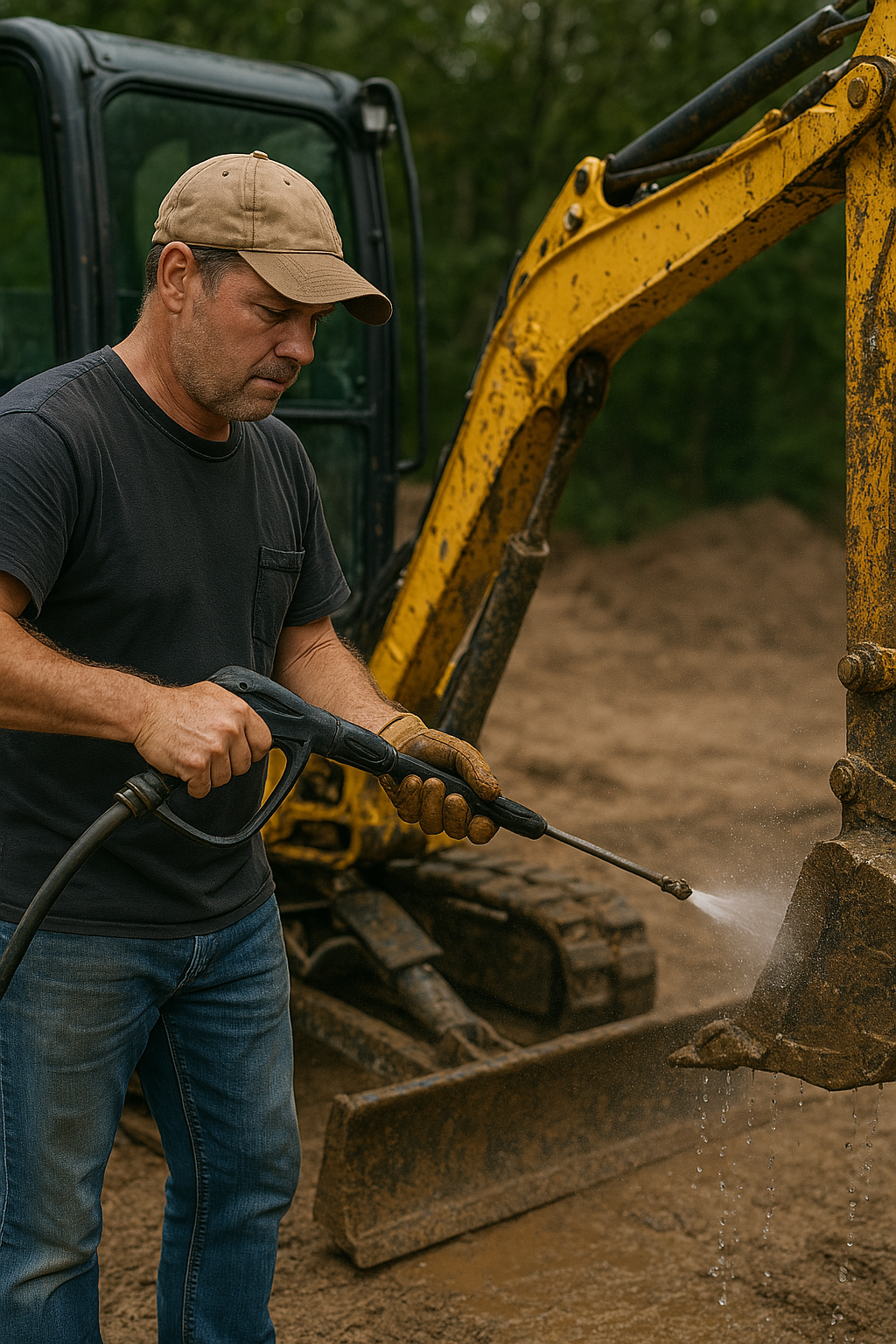
Another crucial maintenance tip is to ensure that the mini excavator is cleaned regularly, especially after working in muddy or dusty conditions. This helps to prevent debris from accumulating on critical parts, which could lead to malfunctions. Operators should also monitor the performance of the machine for any signs of wear or unusual noises that may indicate a need for repair or replacement. By following these maintenance tips, operators can maintain their mini excavators in optimal condition, enhancing productivity and reducing the likelihood of downtime.
Reducing Downtime with Maintenance
Regular maintenance of excavators is fundamental in reducing downtime and ensuring continuous operation. By implementing a comprehensive maintenance plan, operators can identify and address potential issues before they escalate into significant breakdowns. This proactive approach minimises the likelihood of unexpected machinery failure, which can halt work and result in lost productivity and increased costs.
Additionally, regular inspections allow for the timely replacement of worn parts, ensuring that the excavator operates at peak efficiency. When operators schedule consistent maintenance tasks, they can keep their machinery running smoothly, thereby reducing the risk of overheat or malfunctions. By prioritizing regular maintenance, operators not only extend the lifespan of their excavators but also maintain a steady workflow, ultimately enhancing overall productivity on the job site.
__________________________________________________
Looking for High-Quality Excavator Spare Parts?
Access a wide selection of reliable components tailored to your equipment.
👉 Click here to request a quote or make an enquiry
__________________________________________________
Leveraging Technology for Modern Maintenance
Modern excavator maintenance goes beyond traditional practices. Predictive maintenance, using data analytics and sensor readings, anticipates potential issues before they occur. This allows for proactive maintenance scheduling, minimizing downtime and maximizing equipment utilization.

Telematics data, gathered from the excavator's onboard systems, provides valuable insights into machine performance, operating hours, and location. This data can be used to optimize maintenance schedules, track fuel consumption, and improve overall fleet management. By embracing these technologies, businesses can significantly improve maintenance efficiency and reduce operating costs.
Are you selling parts? Become a partner
keep up with the competition; have a stable stream of customers who visit the LECTURA site.
| Become a partner |
🔧 Looking for Spare Parts?
Explore our top manufacturer pages:
| Komatsu | Bobcat | Caterpillar | Kubota | John Deere |
| New Holland | Volvo | JCB | Bomag | Yanmar |